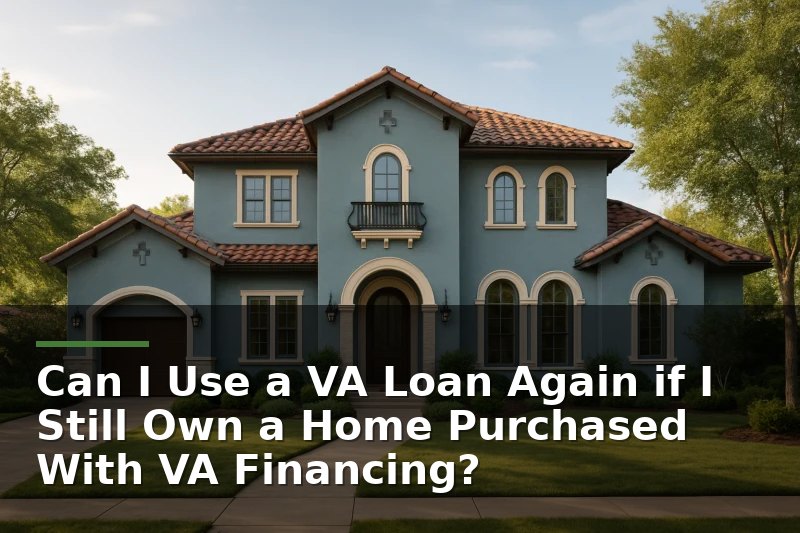
Owning a home with VA financing can make buying your next primary residence feel more…
VA Loans: Navigate Credit, Appraisals, and Costs

Using your VA home loan benefit can be exciting, but questions about credit, appraisals, and closing costs can make the process feel confusing.
A VA loan is a mortgage partially guaranteed by the Department of Veterans Affairs that may offer eligible borrowers flexible credit guidelines and the ability to purchase without a down payment.
In this guide, I’ll explain how I help VA borrowers prepare their credit, understand the VA appraisal, review closing costs, and avoid preventable problems before closing.
Key Takeaways
- Credit: The VA doesn’t establish one universal minimum credit score, but lenders commonly have their own requirements.
- Appraisal: A VA appraisal reviews value and minimum property requirements, but it isn’t a home inspection.
- Closing Costs: VA rules limit certain borrower-paid fees, although buyers should still plan for allowable costs and prepaid expenses.
- Best For: VA loans are designed for eligible service members, Veterans, and certain surviving spouses who meet program and lender guidelines.
I’m Larry Knopf (NMLS# 216620), and I help VA borrowers in Dallas-Fort Worth and throughout Texas and Delaware understand the financing before they make an offer.
Because here’s the deal:
A VA loan can be a tremendous benefit.
But the benefit still needs to be used correctly.
Quick Answers About VA Loans
- Does the VA require a specific credit score? The VA doesn’t set one universal minimum score, but individual lenders often do.
- Does a VA appraisal replace a home inspection? No. The appraisal and inspection serve different purposes.
- Can a VA borrower buy with no down payment? Eligible borrowers may be able to finance the full purchase price, subject to entitlement, appraisal, lender, and program requirements.
- Can closing costs be negotiated? Yes. Seller credits, lender credits, and contract terms may help with eligible costs, depending on the transaction.
How Credit Works With a VA Loan
One of the biggest misunderstandings about VA financing involves credit scores.
You may hear that the VA has a required score.
But that isn’t exactly how it works.
The VA doesn’t set a single minimum credit score for every VA borrower. The lender making the loan may establish its own minimum score and underwriting requirements.
That means a borrower who doesn’t meet one lender’s guidelines may still have options with another lender.
It doesn’t mean everyone will qualify.
It means the loan should be reviewed based on the full financial picture.
I Look Beyond the Credit Score
A credit score is important.
But it’s only one part of the file.
I also review:
- Recent mortgage or rental payment history
- Credit card and installment loan payments
- Collections, charge-offs, or disputed accounts
- Bankruptcy or foreclosure history
- Current monthly obligations
- Income stability and available assets
- Residual income after major monthly expenses
Residual income is the money remaining after major monthly obligations and estimated living expenses are considered. It’s an important part of VA underwriting because it helps show whether the proposed payment appears manageable.
Debt-to-income ratio matters too.
But a ratio by itself doesn’t always tell the entire story.
Small Credit Changes Can Create Big Problems
After pre-approval, I encourage borrowers to avoid making major financial changes without discussing them first.
That includes:
- Opening a new credit card
- Financing a vehicle
- Co-signing for another borrower
- Increasing credit card balances
- Missing or delaying a payment
- Changing jobs or compensation structure without notice
A new monthly payment can affect qualification.
So can a lower credit score.
I’d rather review the change before it happens so there are no surprises later.
What the VA Appraisal Actually Does
The VA appraisal causes a lot of unnecessary worry.
Some buyers assume it’s an unusually difficult inspection.
It isn’t.
A VA appraisal has two primary purposes: estimating the property’s market value and reviewing whether it appears to meet VA minimum property requirements.
The appraiser looks at the home, analyzes comparable sales, and reports visible property conditions related to VA guidelines.
Common concerns may include:
- Peeling or deteriorated paint in properties where lead-based paint requirements apply
- Missing handrails where a safety concern exists
- Active roof leaks or significant roof problems
- Exposed electrical wiring
- Broken windows
- Inadequate heating
- Water, sewage, or access concerns
- Wood-destroying insect issues when an inspection is required
Not every cosmetic issue creates a VA appraisal problem.
Worn carpet or an outdated kitchen, for example, isn’t automatically a required repair.
The property condition, location, appraisal findings, and current VA guidelines all matter.
The Appraisal Isn’t a Home Inspection
This is important.
A VA appraisal isn’t a substitute for an independent home inspection.
The appraiser isn’t performing the same detailed review as a home inspector. An inspection may evaluate the roof, plumbing, electrical systems, foundation, HVAC equipment, appliances, and other components more closely.
The appraisal protects the VA’s interest in the loan.
The inspection helps the buyer understand the home’s condition.
Those are two different jobs.
How I Prepare for Possible Appraisal Issues
I don’t wait until the appraisal report arrives to start talking about the property.
If the listing mentions deferred maintenance, repairs, or unusual property features, I want to know early.
I may discuss questions such as:
- Are there visible safety or structural concerns?
- Has the seller disclosed roof, foundation, or water damage?
- Are utilities operating?
- Does the property rely on a private well or septic system?
- Are there unpermitted additions?
- Is the home being sold in its current condition without repairs?
That doesn’t mean the home won’t work for VA financing.
It means we need to understand the situation before spending money on an appraisal and inspection.
If substantial improvements are needed, another option such as a rehab loan may be worth reviewing. The right structure depends on the property, borrower qualifications, and current program guidelines.
Which Closing Costs Can VA Borrowers Expect?
A zero-down option doesn’t necessarily mean zero cash at closing.
That’s another common misunderstanding.
VA borrowers may still have allowable closing costs, prepaid expenses, an initial escrow deposit, and other transaction-related charges.
These may include:
- Appraisal and credit-related charges
- Title and settlement services
- Recording charges
- Homeowners insurance
- Prepaid interest
- Property tax and insurance escrow deposits
- Discount points, if chosen and permitted
- The VA funding fee, when applicable
Actual charges vary by lender, property, loan amount, closing date, title company, insurance provider, and local requirements.
Fees and guidelines can also change.
That’s why I review the Loan Estimate rather than relying on a general online calculator.
What Is the VA Funding Fee?
The VA funding fee is a program charge that helps support the VA home loan benefit.
The amount can vary based on the type of transaction, down payment, previous use of the benefit, and other factors. Certain eligible borrowers may be exempt.
The funding fee can often be financed into the loan.
Other closing costs generally can’t simply be added to the loan amount. They may need to be paid by the borrower, covered through permitted seller credits, offset by lender credits, or handled through another eligible source.
Seller Credits and Lender Credits
VA financing allows room for certain seller-paid costs and concessions.
But the contract needs to be structured correctly.
A seller may agree to pay eligible closing costs. A lender credit may also reduce the borrower’s upfront expense, usually in exchange for different loan pricing.
Neither option is automatically free money.
The purchase price, appraised value, interest rate, cash needed at closing, and long-term cost should all be reviewed together.
Let’s run the numbers before deciding which option makes sense.
VA Loans Compared With Other Mortgage Options
| Feature | VA Loan | FHA Loan | Conventional Loan |
|---|---|---|---|
| Eligibility | Requires VA eligibility and lender approval | Open to qualifying borrowers | Open to qualifying borrowers |
| Minimum Down Payment | May be 0% with sufficient entitlement and qualification | Generally 3.5% | Some programs allow 3% |
| Monthly Mortgage Insurance | Typically none | Generally required | Often required with a smaller down payment |
| Property Review | VA appraisal and minimum property requirements | FHA appraisal and property standards | Conventional appraisal guidelines |
VA isn’t automatically the right choice in every situation.
I compare the payment, cash required, property requirements, and long-term cost. Borrowers can also review available mortgage loan options before choosing a structure.
My VA Loan Planning Process
Here’s how I help prepare the file:
- Confirm eligibility. I review the Certificate of Eligibility and available entitlement.
- Review credit. I look for issues that could affect underwriting or loan pricing.
- Verify income and assets. Salaried, variable-income, and self-employed borrowers may need different documentation.
- Calculate the proposed payment. Taxes, insurance, association dues, and other property expenses matter.
- Estimate cash needed. I review the down payment, allowable costs, credits, deposits, and prepaid expenses.
- Discuss the property. Potential appraisal or condition issues should be identified early.
- Review the final structure. Before closing, I explain the updated figures and what funds may be required.
A strong pre-approval is more than a letter.
It’s a plan.
Want Help Reviewing Your VA Loan Scenario?
If you’re preparing to buy in Dallas-Fort Worth, elsewhere in Texas, or Delaware, I’m happy to review your scenario.
We can compare the available options, discuss the VA appraisal, estimate closing costs, and build a pre-approval plan based on your financial information.
Call, text, or email me when you’re ready.
Sometimes a short conversation can uncover questions that are much easier to solve before you sign a contract.
Frequently Asked Questions
What happens if the VA appraisal comes in below the purchase price?
The buyer and seller may renegotiate the price, the buyer may cover an approved difference, or the parties may consider other options allowed by the contract. VA appraisal procedures may also provide an opportunity to submit relevant market information for review, but a value change isn’t guaranteed.
Can the seller complete repairs required by the VA appraiser?
Yes, a seller can agree to complete required repairs before closing. The appraiser may need to confirm completion, and the contract should clearly address who is responsible for the work.
How long does a VA appraisal take?
Timing varies based on the property location, appraiser availability, complexity, and whether repairs or additional information are required. I recommend allowing enough time in the contract for the appraisal, review, and any follow-up work.
Can a self-employed borrower qualify for a VA loan?
A self-employed borrower may qualify if income, credit, assets, entitlement, and the overall file meet current guidelines. Tax returns, business documents, and year-to-date financial information are commonly reviewed, depending on the business and income history.
Can the VA home loan benefit be used more than once?
Yes, eligible borrowers may be able to use the VA benefit more than once. Available entitlement depends on whether prior VA loans were repaid, entitlement was restored, or another VA-financed property is still owned.
This is educational and not financial advice. Loan programs and guidelines can change. Talk with a licensed mortgage professional about your specific scenario.

About the Author
Larry Knopf
Broker at Larry Knopf, 1st Capitol Mortgage, Inc · NMLS #216620
Larry has helped over 4000 families with first-time buyer programs, self-employed scenarios and Buy Before You Sell
Specializes in: Conventional, FHA, VA loans
Licensed in: DE, TX
Related Posts