
Down Payment Assistance for Move-Up Buyers: How to Maximize Your Options
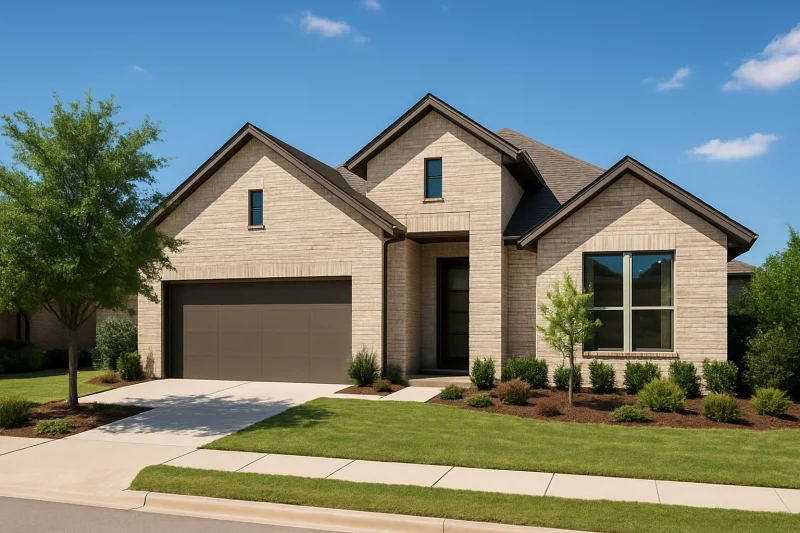
Trying to purchase your next home can feel like you’re piecing together a puzzle, especially when it comes to the down payment.
Many move-up buyers are surprised to learn that down payment assistance isn’t just for first-timers—it can often be used again when you’re upgrading or relocating, depending on program rules.
In this article, I’ll break down how down payment assistance works for move-up buyers, what to look for, and how to avoid common missteps in Dallas-Fort Worth and Delaware.
Key Takeaways
- Purpose: Down payment assistance can help move-up buyers cover up-front costs and stretch equity further on their next home.
- Eligibility: Some programs allow previous homeowners; check income limits, occupancy rules, and whether your scenario fits.
- Process: Application timelines vary by program—often add a week or more to your closing.
- Best For: Buyers with limited liquid funds, those timing a home sale/purchase, or who want to preserve cash for improvements.
Quick Answers
- Do you have to be a first-time buyer to use down payment assistance? Not always—some programs allow repeat or move-up buyers depending on past homeownership history and local rules.
- Can you use DPA if selling your current home? Yes, some programs are designed for buyers transitioning between homes, especially if you’re low on funds after the sale or using a bridge loan.
- Will using assistance slow down my closing? Sometimes. There’s often extra paperwork and an extra approval step, so plan for an extended timeline.
- How much assistance can you get? It varies by state, grant, lender, and your qualifications. Some offer set amounts; others offer a percentage of your purchase price.
- Is DPA taxable income? Typically, most forms of down payment assistance are not considered taxable income—but check with a tax adviser for your specific program.
How Down Payment Assistance Can Work for Move-Up Buyers
If you think down payment help is only for buyers purchasing their very first home, you’re not alone. That’s a common myth, but the reality is a bit more flexible—especially in places like Dallas-Fort Worth and Delaware, where local and state options are evolving all the time.
At Larry Knopf (NMLS# 216620), we work with buyers who find themselves in the “in-between” zone: maybe you’ve owned a home in the past, but you’re not sitting on a mountain of cash from your equity. Or maybe your current home sale and your next purchase are close together, and you need to keep your cash free for moving, repairs, or updates. That’s where targeted down payment assistance programs can be a game changer.
What Counts as a “Move-Up Buyer”?
The typical move-up buyer is someone who currently owns a home but wants to purchase a larger or different property—maybe due to a growing household, job change, or wanting a different location. Here’s the deal though: just because you own a home now doesn’t automatically mean you’re ineligible for assistance.
- Some DPA programs won’t allow you to keep two primary residences (so selling or leasing your current home may be required).
- Many local programs define a first-time buyer as someone who hasn’t owned in the last 3 years—so if you sold a home 4 years ago, you might qualify again.
- Each program looks at income, occupancy, and credit requirements a little differently.
Types of Down Payment Assistance Programs
Let’s run the numbers on what kinds of DPA are commonly available to move-up buyers:
- Grants: True gift funds, do not need to be repaid. Harder to qualify for as a move-up buyer, but some state/local agencies have flexible grant programs.
- Forgivable Loans: Second liens that are forgiven after a set period (often 3-10 years) if you meet requirements and don’t sell/transfer the home.
- Deferred Payment Loans: Second liens with zero or low interest, repayment isn’t required until you move, refinance, or pay off your main mortgage.
Dallas-Fort Worth buyers will see a mix of grant and forgivable loan programs, while Delaware often features deferred-payment loans. Rules shift year-by-year, so it’s smart to check the specifics for your city and state.
When Are Move-Up Buyers Eligible?
Here’s where it gets a little nuanced. Many programs hinge on current occupancy, ownership status, and income caps. For example:
- You may qualify if you’re selling your current primary home before closing on the next (common for bridge loan or back-to-back sales scenarios).
- Some programs allow you to buy before selling if you commit to occupy the new property and meet the program’s definition of a “first-time buyer” (often not owning in the past three years).
- If you’re keeping your current home as a rental or second home, assistance options become more limited but not impossible.
This is where having your loan and real estate teams on the same page is key. If you’re coordinating two closings, timing your DPA application is crucial—so there are no surprises later.
Common Qualifications for DPA as a Move-Up Buyer
- Income Limits: Most programs set a maximum household income limit, which can be different for a single applicant, couple, or family. These often adjust by county. If your income is above the limit, look for programs targeted to moderate-income or specific professions.
- Property Requirements: DPA loans and grants are typically for primary residences only—not for investment or vacation properties.
- Occupancy: You must intend to live in the home you’re buying as your main residence, usually within 60 days of closing.
- Loan Type Compatibility: Conventional, FHA, and VA loans can all be paired with DPA in most cases—ask your lender to double-check program rules.
How DPA Can Help Move-Up Buyers Strategically
Sometimes, buyers sell their homes and realize the equity isn’t quite enough for the next down payment after expenses. Or they want to keep extra funds available for renovations, emergencies, or simply peace of mind in the first few months after the move.
Down payment assistance can:
- Keep your cash flow steady while you juggle two homes or repair costs
- Let you buy before you sell using a bridge loan, and combine assistance for the new purchase
- Help you qualify for a more manageable monthly payment—or avoid using retirement savings for your down payment
Step-by-Step: Using Down Payment Assistance as a Move-Up Buyer
- Review Your Scenario: Are you keeping or selling your current home? Estimate your likely net proceeds and how much you want to use toward your down payment.
- Check Local Program Rules: Some DPA programs allow repeat buyers; others have a strict first-time-only cutoff (usually 3 years with no ownership). Work with your lender to clarify your status.
- Get Pre-Qualified with Assistance in Mind: Let your loan officer know upfront if you plan to use assistance—some programs can’t be added after contract.
- Gather Documentation: Be prepared to provide tax returns, recent paystubs, and (if selling current home) a copy of your sales contract or closing disclosure.
- Coordinate Closings: If your DPA program requires you to sell first, plan for potential timing overlaps. Let’s run the numbers together so your loan funds are available when needed.
Tip: The earlier you discuss your goals with your lender and agent, the more options you’ll have.
Common Pitfalls to Avoid
- Assuming All Programs Exclude Move-Up Buyers: This is one of the most common misconceptions. Some actually have generous rules for repeat buyers.
- Missed Program Deadlines: DPA programs may have limited funds released on a schedule, or “first come, first served.” Waiting until the last minute can knock you out of eligibility.
- Not Coordinating Sales and Closings: Overlapping timelines or missing documentation from your current home sale can delay DPA approval.
- Forgetting Income/Asset Verification: Keep your paperwork organized—don’t move large sums between accounts right before closing.
Can You Use DPA and a Bridge Loan Together?
Absolutely—if you’re selling your current home and need access to your equity to purchase before you close, a bridge loan can give you flexibility. Some DPA programs work alongside a bridge loan, so you can minimize your upfront out-of-pocket funds for the new purchase. Each program has its own compatibility rules, but if you like creative solutions, this is one to ask about.
Not sure how the numbers fit together? Reach out and let’s run the numbers on your current home, your next purchase, and see if DPA will fill the gap or offer you a cushion.
DPA Options in Dallas-Fort Worth and Delaware
Here’s a quick snapshot of how down payment assistance looks in my service areas:
- Dallas-Fort Worth: Several city and state agencies offer grants and forgivable seconds, and a few explicitly allow move-up buyers if you meet income/occupancy rules. Program funds are limited—timing is everything.
- Delaware: State housing finance programs may include deferred-payment DPA loans that extend to repeat buyers as long as you’re moving into a primary residence and satisfy other requirements. Check latest guidelines for income and recapture taxes.
Making Your Next Move Smoother with Down Payment Assistance
Whether you’re using equity from your current home or feel squeezed by tight timing, DPA can bridge the gap and keep you moving forward, often with very affordable terms. The key? Understand local rules, line up the right paperwork, and coordinate your closings—so you don’t miss an opportunity you might have assumed was “just for first-timers.”
If you’re considering a home purchase in Dallas-Fort Worth or Delaware and want to explore down payment assistance as a move-up buyer, I’m always happy to walk through your scenario with you. At Larry Knopf (NMLS# 216620), I’ll make sure you see every option on the table—so you get no surprises later, and know exactly what you’ll need for closing. Call, text, or email and let’s compare options side-by-side, from pre-approval planning all the way through to closing.
Frequently Asked Questions
Can I qualify for down payment assistance if I am keeping my current home as a rental?
Some programs require you to sell your existing primary residence before or at closing on your new home, while a few allow you to retain your property as a rental under certain conditions. Double-check local guidelines, as eligibility is stricter if you’re intending to own more than one property.
Is there a maximum purchase price for homes using DPA?
Yes, most programs cap the maximum purchase price for eligible properties. This limit is set to keep the programs focused on moderate and lower-cost homes, and it varies by county and program—ask your lender for current thresholds.
How does using down payment assistance affect my loan type choices?
Most down payment assistance options can be combined with FHA, VA, or conventional loans, though not every program is available with all loan types. Some have specific requirements about which mortgage products are eligible, so your lender will help determine the right fit.
Are there any obligations if I move or refinance after receiving assistance?
Depending on the structure of your assistance—grant, forgivable, or deferred loan—you may have to repay some or all of the funds if you move out, sell, or refinance within a specific time frame. Be sure to ask about repayment terms before proceeding.
Does down payment assistance affect my mortgage insurance premiums?
Sometimes. The amount and structure of your down payment—whether personal funds, DPA, or a mix—can affect your mortgage insurance amount or duration. Your lender will calculate and discuss these impacts during pre-approval.
This is educational and not financial advice. Loan programs and guidelines can change. Talk with a licensed mortgage professional about your specific scenario.

Larry Knopf
Larry has helped over 4000 families with first-time buyer programs, self-employed scenarios and Buy Before You Sell
Related Posts